
Snakes bite either to capture prey or in self-defense. Snakes that are poisonous voluntarily emit venom when they bite. Because snakes can control the amount of venom they discharge, some bites are “dry” and only 50% – 70% of venomous snake bites result in envenoming, or poisoning.
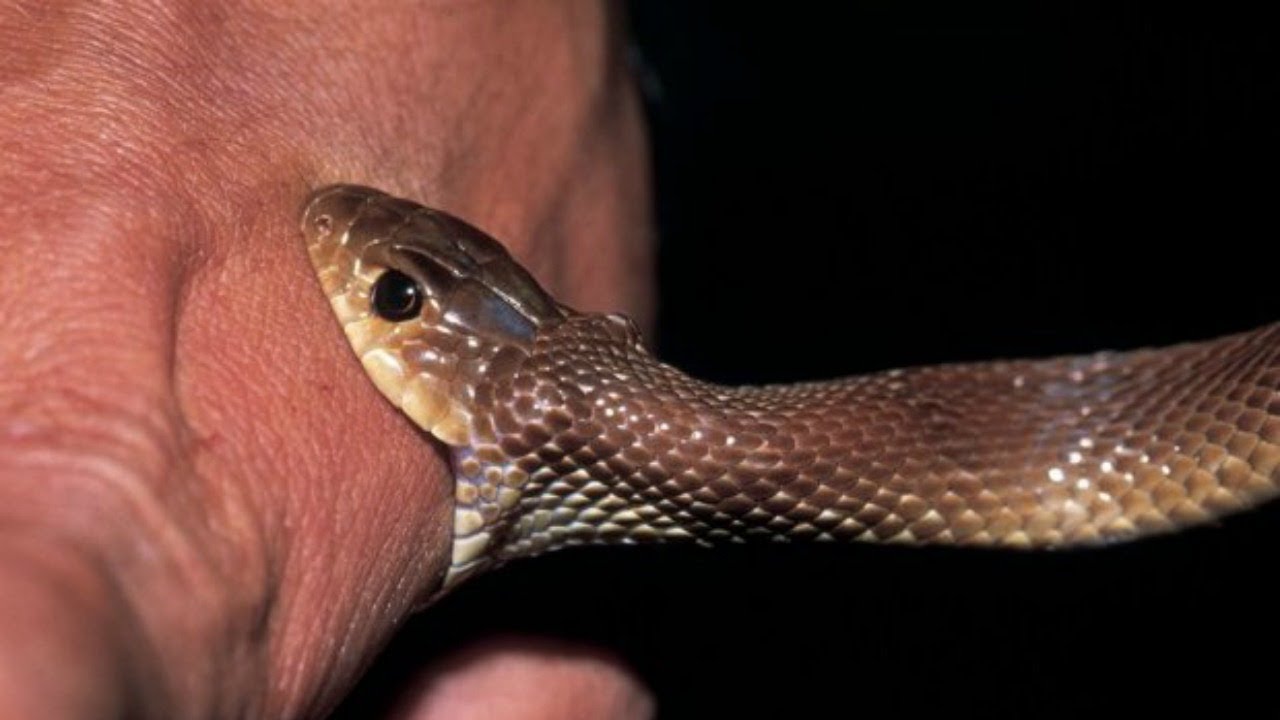
Even so it is best to treat all snake bites as a medical emergency unless one is certain the bite came from a non-venomous snake. Any delay in treatment following the bite of a venomous snake could result in death or serious injury. Different species of venomous snakes carry different types of venom. In general, the major categories of venom are:
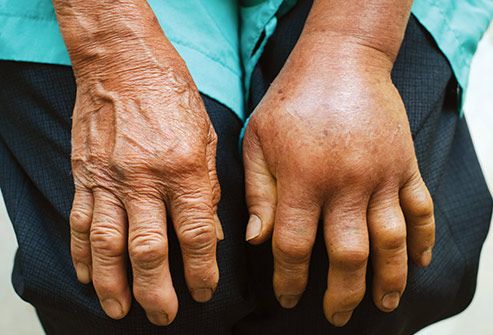
Cytotoxins: Cause swelling and tissue damage in the area of the bite.
Haemorrhagins: Cause disruption to blood vessels.
Anti-clotting agents: Prevent the blood from clotting.
Neurotoxins: Cause paralysis or other damage to the nervous system.
Myotoxins: Break down muscles.
Here’s how you can cure Snake Bites in case of Emergency
If you know the snake is not venomous, treat as a puncture wound.
1. Note the Snake’s Appearance
Be ready to describe the snake to emergency staff.

2. Protect the Person
While waiting for medical help:
Move the person beyond striking distance of the snake.
Have the person lie down with wound below the heart.
Keep the person calm and at rest, remaining as still as possible to keep venom from spreading.
Cover the wound with loose, sterile bandage.
Remove any jewelry from the area that was bitten.
Remove shoes if the leg or foot was bitten.
Do not:
Cut a bite wound
Attempt to suck out venom
Apply tourniquet, ice, or water
Give the person alcohol or caffeinated drinks or any other medications

3. Follow Up
If you treat the bite at home:
Contact a health care provider. The person may need a tetanus shot. Tetanus boosters should be given every 10 years.
At the hospital, treatment will depend on the type of snake.
If the snake was venomous, the person will be given anti-venom treatment.
A tetanus shot may be given, depending on date of last injection.
Comments